
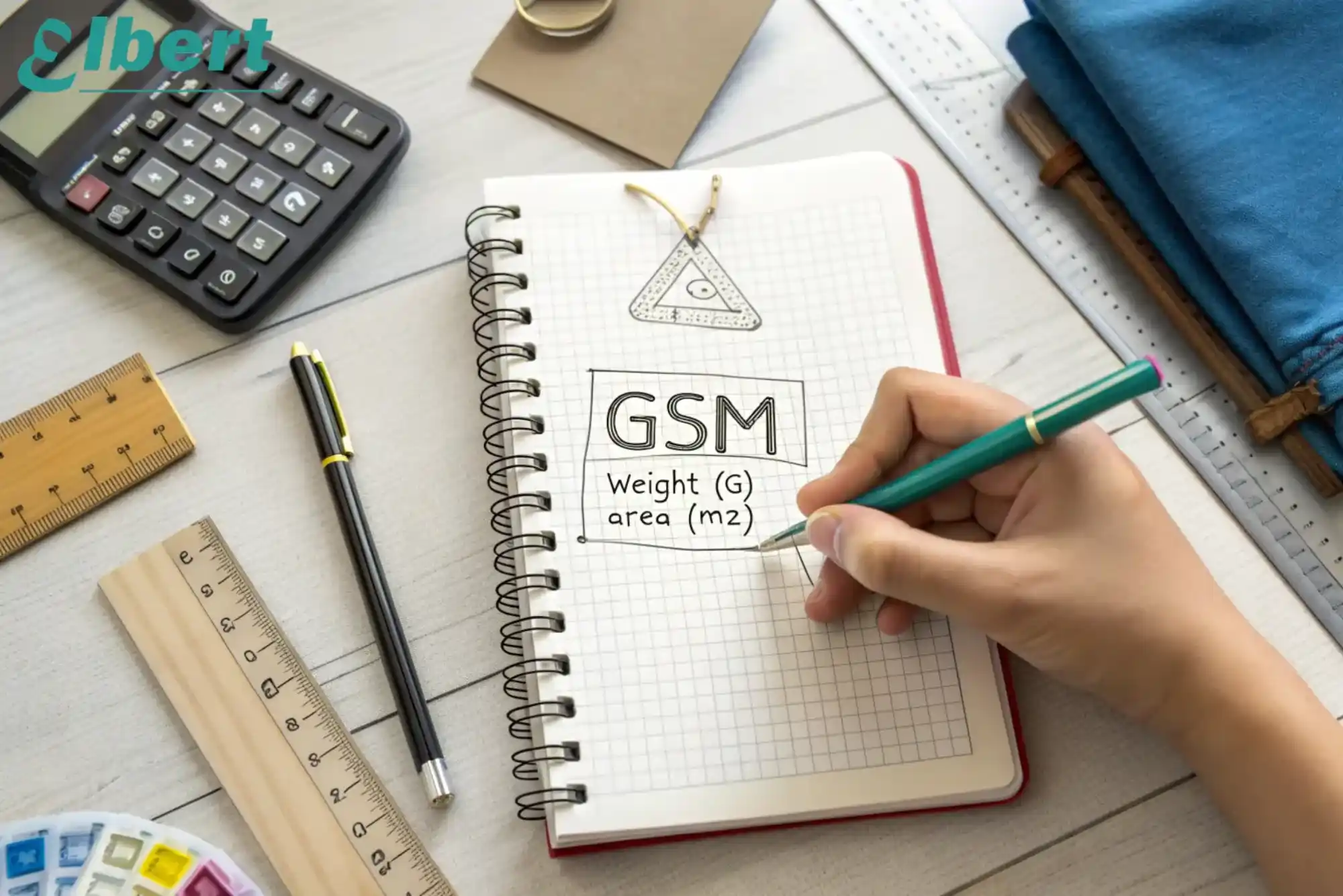
The textile industry in the UAE and South Asia has grown exponentially, with quality control becoming a critical component for manufacturers, designers, and exporters. One essential metric is GSM (grams per square meter), which measures fabric weight and affects durability, comfort, and suitability for specific garments. Traditional weighing and measuring methods can be tedious, but modern GSM calculator for fabric weight tools offer a fast, accurate alternative. This guide explores how these calculators work, their applications, and why UAE-based textile professionals rely on them for efficiency and precision.
What Is Fabric GSM?
Quick Answer: Fabric GSM indicates the weight of fabric per square meter, essential for quality control.
GSM, short for grams per square meter, helps determine fabric thickness, quality, and end-use suitability. For instance:
Lightweight cotton (100–150 GSM) is ideal for summer clothing.
Medium-weight fabrics (150–250 GSM) suit casual wear.
Heavy fabrics (300–400 GSM) are used for jackets or upholstery.
Understanding GSM ensures products meet international quality standards, especially for exporters in UAE and Pakistan, where textile exports contribute significantly to GDP. According to the UAE Ministry of Economy, textiles and clothing account for a growing segment in the retail sector.
How Online Fabric GSM Calculators Work
Quick Answer: GSM calculators use fabric weight and dimensions to provide instant, precise results.
Online calculators simplify fabric measurement:
Input the fabric weight in grams.
Enter the length and width in meters.
The tool calculates GSM instantly, removing manual errors.
These platforms often include adjustments for textile shrinkage and different fabric types, ensuring reliable measurements for both woven and knitted materials. UAE textile exporters increasingly use these tools to maintain consistency and satisfy international buyers.
Benefits of Using a GSM Calculator
Quick Answer: GSM calculators save time, reduce errors, and improve production quality.
Some key benefits include:
Accuracy: Reduces human error in manual calculation.
Efficiency: Immediate results accelerate production planning.
Cost savings: Prevents fabric wastage and inventory mismatches.
Standardization: Ensures fabric batches meet uniform quality standards.
For instance, factories in Sharjah have reported a 30% reduction in production errors after adopting online free tools for quick and accurate results.
Understanding Fabric Weight and Its Applications
Quick Answer: Fabric weight impacts comfort, durability, and garment purpose.
Fabric weight determines:
Garment suitability: Light fabrics for summer, heavy fabrics for outerwear.
Durability: Higher GSM fabrics resist wear and tear.
Printing & dyeing: Correct weight ensures color adherence and fabric integrity.
Designers in UAE and South Asian textile hubs like Faisalabad rely on GSM data to tailor products for climate, fashion trends, and regional consumer preferences.
Common Issues in Measuring GSM Manually
Quick Answer: Manual GSM measurement is prone to human and tool errors.
Manual measurement challenges include:
Inconsistent weighing scales.
Incorrect fabric dimension measurement.
Human calculation errors.
Variations in fabric shrinkage during washing.
These challenges make online calculators essential for exporters, retailers, and textile students enrolled in programs like UAE’s Ministry of Human Resources textile skills initiatives.
How Textile Professionals Use GSM Calculators
Quick Answer: Professionals use calculators to ensure fabric quality meets standards before production.
Applications include:
Manufacturing: Ensures batch consistency.
Retail: Guides product pricing based on fabric weight.
Education: Textile students practice accurate measurements for exams.
According to industry expert Sara Al-Mansoori, “Online GSM calculators bridge the gap between classroom theory and factory precision, helping the UAE textile sector maintain global standards.”
Key Features to Look for in a GSM Calculator
Quick Answer: Reliability, accuracy, and additional tools like shrinkage calculators are crucial.
When choosing a calculator, consider:
Compatibility with different fabric types.
Ability to calculate textile shrinkage.
User-friendly interface for non-technical staff.
Data export options for record-keeping.
Platforms like Dhanote IT Park – powering online businesses have started integrating these calculators into their textile management software for local SMEs.
UAE Episode: Adopting Digital Tools in Regional Textile Hubs
Quick Answer: UAE textile hubs are embracing digital calculators for efficiency and accuracy.
Dubai, Sharjah, and Ras Al Khaimah textile zones have implemented training programs for youth, including workshops on digital tools like GSM calculators. These initiatives, often supported by the Dubai SME Agency, empower small manufacturers to compete globally with minimal errors. Adoption of such calculators has streamlined operations in ready-made garment factories across the region.
Tips for Accurate GSM Measurement
Quick Answer: Follow standard procedures and use digital tools for reliable results.
Always measure multiple fabric samples for consistency.
Calibrate scales regularly.
Consider fabric shrinkage post-wash.
Use online calculators for instant verification.
By combining traditional checks with digital tools, UAE manufacturers ensure high-quality textiles suitable for international export markets.
FAQs
Q1: Can GSM calculators measure all types of fabrics?
Yes, most calculators can handle woven, knitted, and specialty fabrics with proper input of weight and dimensions.
Q2: Are GSM calculators suitable for small businesses?
Absolutely. They save time and reduce costly errors, especially for startups in textile hubs like Dubai and Faisalabad.
Q3: Do online calculators consider fabric shrinkage?
Many advanced calculators include a shrinkage factor to ensure accurate GSM post-wash.
Q4: How does fabric GSM affect pricing?
Higher GSM fabrics often cost more due to weight, durability, and material density.
Q5: Are these calculators free?
Yes, platforms like free tools for quick and accurate results provide reliable calculations at no cost.
Q6: Can GSM calculators help in quality certification?
Yes, consistent measurements are crucial for ISO and local quality standards.
Q7: Is GSM measurement necessary for all garments?
While not mandatory for all, it’s essential for uniformity, comfort, and export compliance.
Final Thought
From my experience working with textile manufacturers across UAE and Pakistan, adopting online GSM calculators has transformed quality assurance. The combination of precision, speed, and ease allows designers and factory managers to focus on innovation rather than manual calculations. Regional initiatives, including youth skill programs and SME support in Sharjah and Faisalabad, are further driving adoption. Whether you’re a local startup or an established exporter, integrating digital fabric measurement tools is no longer optional—it’s essential for competing globally while maintaining product excellence.