
Introduction
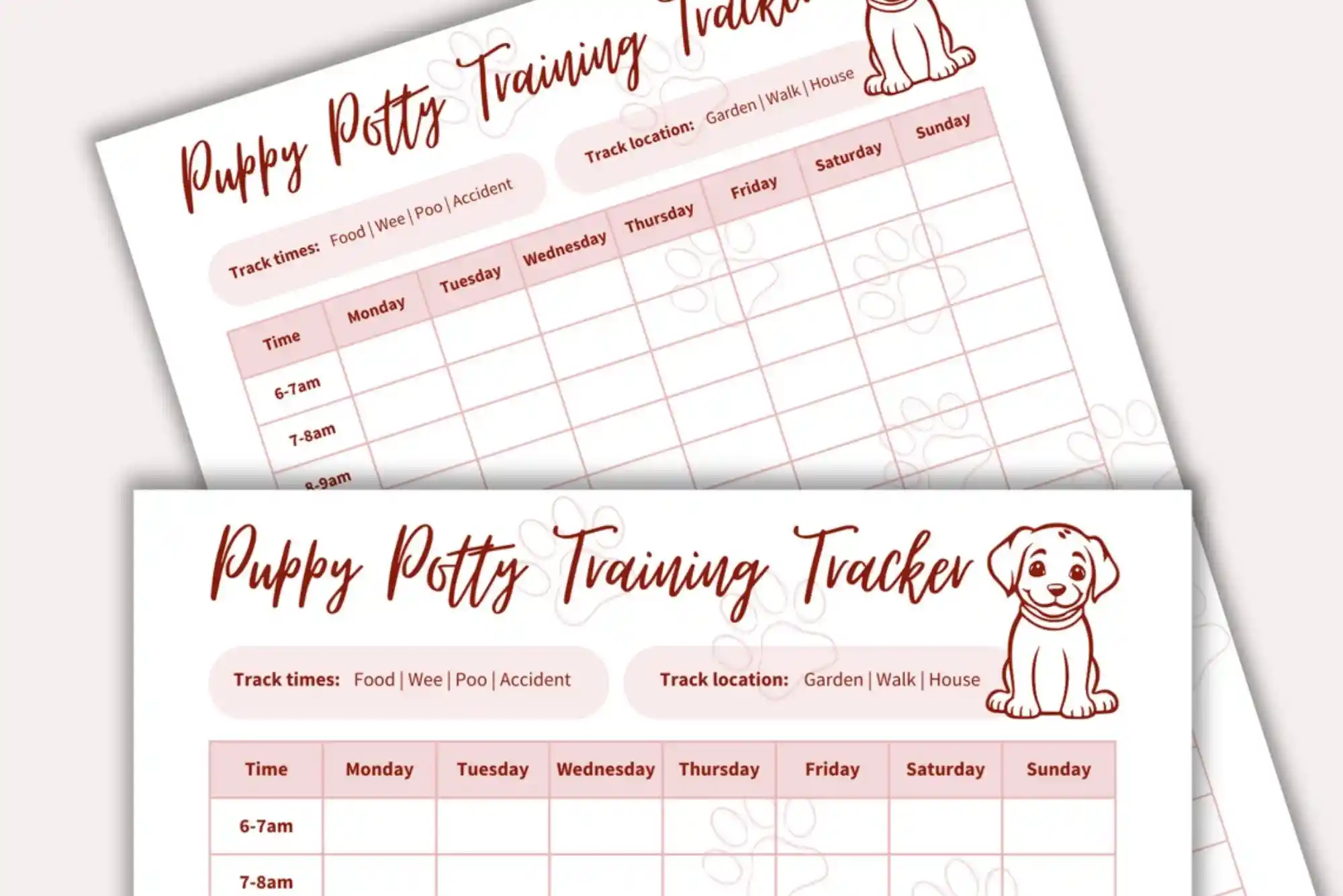
Bringing home a puppy is exciting, but housebreaking can quickly become challenging. A consistent routine makes the process much easier. The right Puppy Potty Training Schedule: How to Housebreak in 7 Days gives your puppy clear expectations. It also helps you recognise bathroom signals before accidents happen.
Seven days may not guarantee a completely house-trained puppy. However, a focused routine can create strong habits within one week. Puppies learn through repetition, timing, supervision, and rewards. Therefore, consistency matters more than rushing the process.
A successful Puppy Potty Training Schedule: How to Housebreak in 7 Days should fit your puppy’s age, size, diet, and daily routine. Young puppies have small bladders. They may need frequent bathroom breaks throughout the day and night.
If you are building a broader foundation for obedience and behaviour, explore the Puppy Training Pillar. A complete training approach can make potty training easier because puppies respond well to predictable routines.
Why a Puppy Potty Training Schedule Matters
A puppy does not automatically understand where it should eliminate. Instead, it learns through repeated experiences. Taking your puppy outside at predictable times creates a connection between routine and bathroom behaviour.
The goal of a Puppy Potty Training Schedule: How to Housebreak in 7 Days is to reduce opportunities for accidents. You should take your puppy outside after waking, eating, drinking, playing, and sleeping.


Timing is especially important during the first few days. If you wait until your puppy is desperate, an accident may happen before you reach the correct area. Frequent trips make success more likely.
A schedule also makes your puppy’s behaviour easier to understand. After several days, you may notice predictable patterns around meals, naps, and bathroom breaks.
How to Prepare Before Day One
Before starting your Puppy Potty Training Schedule: How to Housebreak in 7 Days, choose one consistent bathroom location. The area should be safe, easy to reach, and relatively quiet.
Keep your puppy supervised whenever it is outside its crate or designated safe area. Watch for signs such as sniffing, circling, pacing, whining, or suddenly leaving a play session.
You should also establish regular feeding times. Free-feeding can make bathroom timing harder to predict. Scheduled meals usually make it easier to understand when your puppy needs to go.
Keep rewards ready near the door. A small, tasty treat can help you reinforce successful behaviour immediately after your puppy finishes.
For additional puppy-care information and training resources, you can also visit Infobeast.
Puppy Potty Training Schedule: How to Housebreak in 7 Days
The first day should focus on establishing the routine rather than expecting perfection. Take your puppy outside immediately after waking. Stay in the designated area and give it enough time to eliminate.
When your puppy finishes, praise calmly and provide a reward. The reward should happen immediately. This helps your puppy connect the correct behaviour with the positive response.
Throughout Day One, take the puppy outside frequently. Young puppies often need breaks every 30 to 60 minutes while awake. The exact interval depends on age, activity, and individual bladder control.
Day Two: Strengthen the Routine
On Day Two, repeat the same pattern. Puppies learn faster when the environment and expectations remain predictable. Avoid changing the bathroom location unless necessary.
Pay close attention after meals and drinking. These events commonly increase the need for a bathroom break. Take your puppy outside before an accident becomes likely.
If your puppy eliminates outdoors, reward immediately. If nothing happens after several minutes, return indoors under close supervision. Try again shortly afterward.
This stage of the Puppy Potty Training Schedule: How to Housebreak in 7 Days is about repetition. Your puppy should begin understanding that outdoor trips have a specific purpose.
Day Three: Watch for Bathroom Signals
By Day Three, you may begin noticing your puppy’s individual signals. Some puppies sniff intensely. Others walk toward the door, whine, circle, or become restless.
Respond to these signals quickly. Do not wait for your puppy to become more obvious. Early intervention can prevent accidents and reinforce communication.
Continue taking the puppy outside after naps, meals, play sessions, and periods of excitement. Puppies often forget their bathroom needs when they become energetic.
Your Puppy Potty Training Schedule: How to Housebreak in 7 Days should remain flexible. If your puppy has an accident, shorten the interval between bathroom breaks rather than becoming frustrated.
Day Four: Build Better Bladder Habits
Day Four is a good time to evaluate your routine. If accidents are becoming less frequent, your puppy is probably developing better control and understanding.
However, do not extend bathroom intervals too quickly. A puppy that succeeds for several hours may still need frequent breaks during active periods.
Continue using positive reinforcement. Verbal praise, gentle affection, and treats can all communicate that outdoor elimination is desirable.
Never punish a puppy for an accident. Punishment can create fear and may make the puppy hide when it needs to eliminate. Instead, clean the area thoroughly and return to your established routine.
Day Five: Increase Supervised Freedom
During Day Five, you can gradually give your puppy slightly more freedom indoors. However, supervision should remain strong.
Allow access to one additional area rather than giving the puppy the entire house. This makes accidents easier to prevent and clean.
If your puppy starts sniffing or circling, immediately guide it outside. Success at this stage strengthens the connection between the physical urge and the correct bathroom location.
The Puppy Potty Training Schedule: How to Housebreak in 7 Days works best when freedom increases only after your puppy demonstrates reliable behaviour.
Day Six: Reinforce Independence
On Day Six, continue following the established routine while encouraging your puppy to communicate its needs. If your puppy approaches the door or gives another signal, respond promptly.
Some puppies begin waiting longer between bathroom trips at this point. Others still require frequent breaks. Both situations can be normal.
Avoid comparing your puppy with another dog. Breed, age, development, previous experiences, and individual temperament can affect progress.
If you want to strengthen other early-life skills, learning about AKC Puppy Socialization can help you create a broader training and development routine.
Day Seven: Review and Continue
The final day should focus on reviewing progress rather than ending training. Your puppy may have fewer accidents and better communication. However, complete housebreaking usually requires continued practice.
Maintain the same feeding, sleeping, and bathroom patterns. Gradually increase indoor freedom when your puppy consistently makes good choices.
The Puppy Potty Training Schedule: How to Housebreak in 7 Days should therefore be viewed as a seven-day foundation. It establishes habits that should continue beyond the first week.
What to Do When Accidents Happen
Accidents are a normal part of puppy training. Even a puppy making excellent progress can have an occasional mistake.
If you catch your puppy beginning to eliminate indoors, calmly interrupt and take it outside. Avoid shouting or frightening the puppy.
If you discover an accident afterward, simply clean it thoroughly. An enzymatic cleaner can help remove odours that may encourage repeat marking in the same location.
Most importantly, look for the reason behind the accident. Your puppy may have needed a break sooner, become distracted, or had more water than usual.
How Long Does Puppy Potty Training Really Take?
A seven-day schedule can produce noticeable progress, but every puppy develops at a different pace. Some puppies learn the basic routine quickly. Others need several weeks or longer.
Age is an important factor. Very young puppies have limited bladder capacity and cannot always wait for long periods.
Consistency also affects results. A puppy receiving the same response from every household member is likely to learn more quickly.
Therefore, treat the Puppy Potty Training Schedule: How to Housebreak in 7 Days as a structured starting point rather than a guaranteed deadline.
Common Puppy Potty Training Questions
How often should I take my puppy outside to potty?
Young puppies generally need frequent bathroom opportunities. Take them outside after waking, eating, drinking, playing, and sleeping. During active periods, some young puppies may need breaks every 30 to 60 minutes.
What is the fastest way to potty train a puppy?
The fastest approach combines supervision, frequent bathroom trips, predictable meals, immediate rewards, and consistent routines. Avoid punishment because it can interfere with learning.
At what age should a puppy be fully potty trained?
There is no single age that applies to every puppy. Many puppies improve significantly during the first few months, but reliable house training can take longer. Individual development and consistency both matter.
Should I wake my puppy up to pee at night?
Very young puppies may need nighttime bathroom breaks because they cannot hold their bladder for long. As bladder control develops, nighttime trips can usually become less frequent.
Conclusion
A reliable Puppy Potty Training Schedule: How to Housebreak in 7 Days begins with realistic expectations. The first week should establish consistency, communication, and positive associations.
Take your puppy outside frequently and reward successful elimination immediately. Supervise closely and respond to early bathroom signals. Most importantly, remain patient when accidents happen.