
Introduction
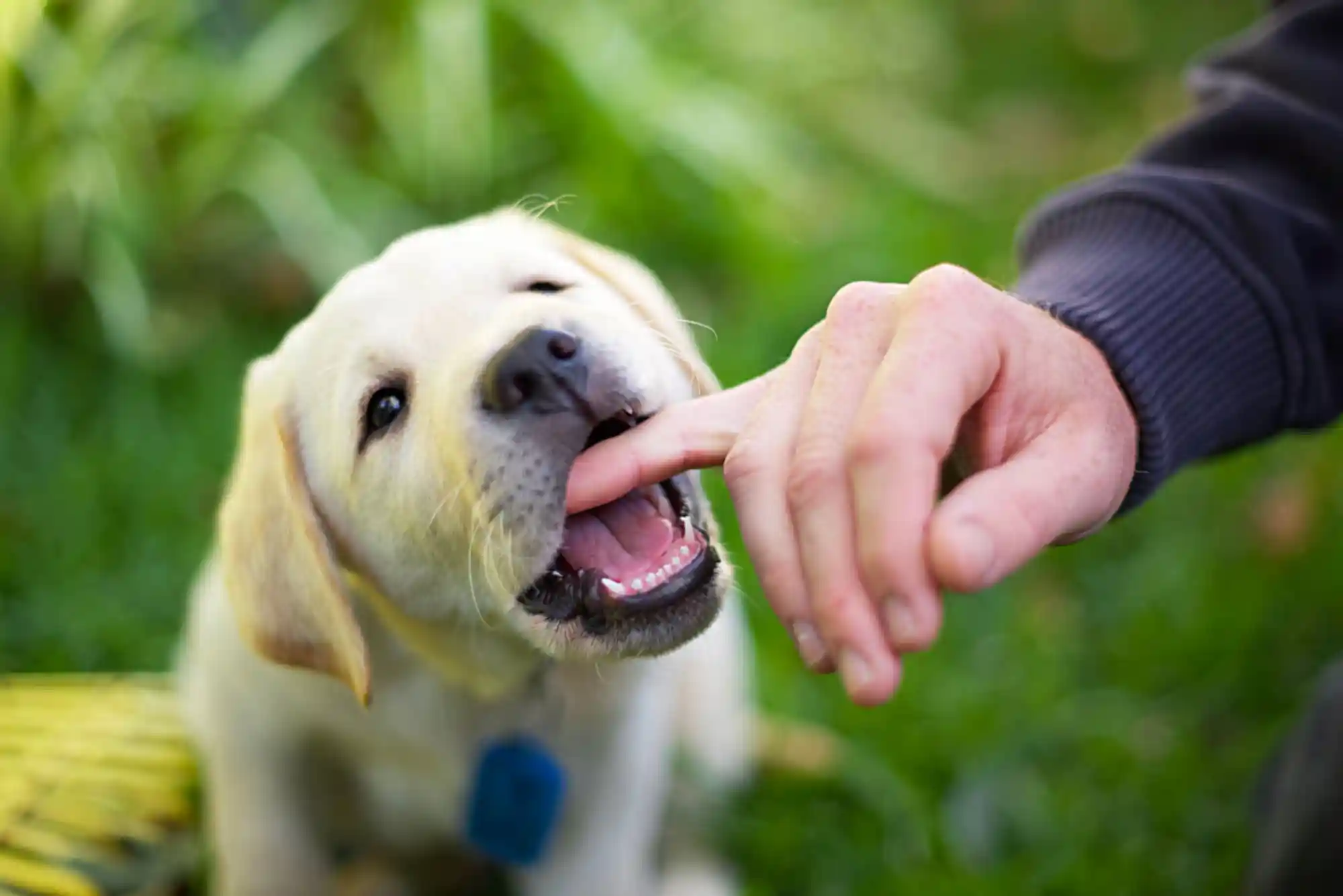
Bringing a new puppy home brings immense joy, but those needle-sharp teeth can quickly turn playtime into a painful ordeal. Many owners struggle to figure out how to stop puppy biting and mouthing hands immediately because young dogs explore the world through their mouths. Puppies nip during play, when they feel overtired, or while teething. Without proper guidance, this normal puppy behavior can escalate into an aggressive adult habit. Fortunately, you can teach your puppy polite manners using consistent redirection, positive reinforcement, and proper socialization. Understanding why puppies bite helps you address the root cause rather than just reacting to the pain. Let us explore the proven techniques to curb this behavior and establish a peaceful bond with your furry companion.
Understanding Why Puppies Bite and Mouth
Puppies lack hands, so they use their mouths to investigate objects, littermates, and humans. During their first few months, littermates teach each other bite inhibition by yelping and stopping play when a bite is too hard. When you bring a puppy home, you must step into the role of that littermate. Teething also triggers intense discomfort between three and six months of age, driving them to chew on anything available. Furthermore, overtired puppies often turn into land sharks that bite aggressively when they need a nap. Recognizing these triggers allows you to proactively manage your puppy’s environment and prevent biting episodes before they start.
Immediate Action Steps When Your Puppy Bites
When your puppy locks onto your fingers, your immediate reaction dictates whether the behavior continues or stops. Avoid screaming, pulling your hand away quickly, or hitting the puppy, as these actions mimic prey movement and increase excitement. Instead, become as boring as a statue by tucking your hands tightly into your armpits and turning your back. A sharp, high-pitched yelp can sometimes mimic a littermate’s protest, though some high-drive puppies view this as an invitation to bite harder. If yelping excites your puppy, silent disengagement works much better to communicate that biting makes the fun stop instantly. Consistency is the secret weapon here; every single family member must respond the exact same way every single time.
Redirection and Positive Reinforcement Techniques
Stopping the bad behavior is only half the battle; you must teach your puppy what they are allowed to chew instead. Keep durable chew toys, rope toys, and frozen Kongs stationed in every room of your house for quick access. The moment your puppy reaches for your skin, calmly place an appropriate toy directly into their mouth instead. Praise your puppy lavishly the second they latch onto the toy rather than your hand. This teaches them that toys bring rewards while human skin ends the fun. For comprehensive guidance on building overall obedience, check out the resources available on this Puppy Training Pillar guide.
Teaching Canine Bite Inhibition
Bite inhibition is the ability of a dog to control the force of their jaw pressure when making contact with skin. Total elimination of mouthing takes time, so puppies must first learn to soften their bites safely. Professional organizations like the Canine Bite Inhibition resource emphasize that puppies need to learn pressure control gradually. If your puppy mouths your hand gently during bonding time, you do not need to overreact, but any sudden pressure should trigger an immediate pause in play. Over a few weeks, your puppy learns that even playful skin contact must remain gentle or non-existent.
Managing Biting Through Routine and Exercise
A tired puppy is a well-behaved puppy, making proper physical and mental exercise vital for curbing land-shark phases. Puppies require structured nap schedules because overtired youngsters throw behavioral tantrums similar to overtired toddlers. Ensure your puppy gets adequate sleep in a crate or quiet pen throughout the day to regulate their mood. Puzzle toys, snuffle mats, and basic obedience training exhaust their developing brains and reduce unwanted nipping. Establishing a predictable daily routine minimizes anxiety and prevents the frantic biting episodes caused by pent-up energy.


Utilizing Time-Outs for Persistent Nipping
Sometimes redirection fails because your puppy has crossed the threshold into absolute overarousal and frenzy. When standard redirection and ignoring do not work, a brief, calm time-out is necessary. Gently guide your puppy into a safe, boring puppy-proofed area or a secure playpen for thirty to sixty seconds. This short isolation teaches them that intense biting causes them to miss out on family interaction. Do not use the crate as a punishment zone, as you want your puppy to view their crate as a safe sleeping sanctuary. Bring them back out once they calm down and resume normal, polite interactions.
Consistency Across All Family Members and Visitors
Puppies get easily confused if different people enforce different rules regarding play and biting behaviors. If one family member allows gentle hand wrestling while another yells, the puppy will never learn clear boundaries. Sit down with everyone in your household to ensure you all use the same verbal cues, timeout protocols, and toy redirection methods. Visitors and children should also be briefed on how to cross their arms and turn away if the puppy gets too mouthy. For more expert pet care tips and training advice, visit Infobeast to explore our growing library of guides.
Frequently Asked Questions
Why does my puppy bite me harder when I say no?
Saying no in a loud, high-pitched voice often sounds like squeaky toy sounds to an excited puppy. This triggers their predatory chase instincts and makes them bite harder or more enthusiastically. Silence and physical withdrawal are much more effective than verbal corrections when dealing with puppy mouthing.
How long does the puppy biting phase last?
Most puppies begin teething around three months of age and finish losing their baby teeth by seven to eight months old. With consistent training and proper management, the intensity of the nipping drops significantly during this window. Patience and daily reinforcement remain your best tools throughout this developmental stage.
Should I put my fingers in my puppy’s mouth to teach them?
Older training methods sometimes suggested holding the puppy’s jaw or placing a finger down their throat to make them dislike biting. Modern animal behavior science advises against this, as it can cause hand-shyness, fear, or defensive aggression in young dogs. Stick to positive redirection and social isolation instead.
What should I do if my puppy bites children?
Children run, scream, and move quickly, which triggers a puppy’s natural instinct to chase and grab moving limbs. Never leave a puppy and young children unsupervised, and teach children to freeze like trees when the puppy gets too rowdy. Provide children with a toy to hold so they can easily redirect the puppy away from their hands and clothing.
Related Reading: How to Crate Train a Puppy Fast: Nighttime and Separation Anxiety Tips — full guide
Related Reading: Puppy Potty Training Schedule: How to Housebreak in 7 Days — full guide