
Vehicle Tracker Installation: What Car Owners Should Know Before Getting Started
Vehicle tracking can be a useful addition to a modern car security setup, but choosing a suitable tracker is only part of the process. Installation, positioning, connectivity and ongoing maintenance can all influence how effectively a tracking system performs.
For drivers considering additional protection for their vehicle, understanding what is involved before installation can make the process much easier. From selecting the right system to checking how alerts work, a little preparation can help owners get more value from their investment.
Why Installation Matters
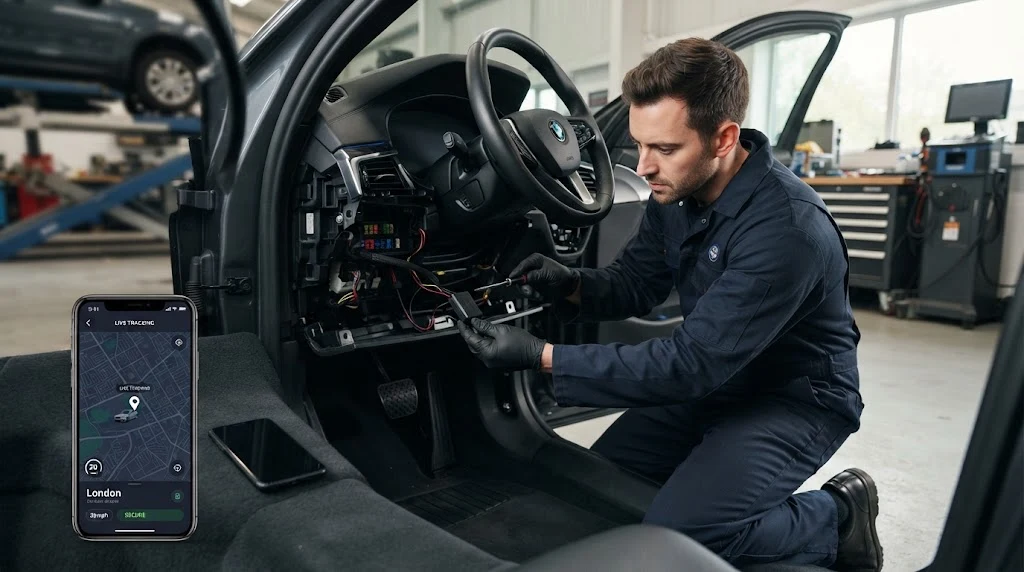
A vehicle tracker needs to operate reliably while remaining suitable for the vehicle in which it is installed. The installation method can vary depending on the type of tracker, vehicle design and features provided by the system.
Some owners may choose a professional installation because they want the device integrated correctly and checked by someone familiar with vehicle electronics. Others may have different requirements depending on the tracking system they select.
Before installation, it is worth understanding whether the manufacturer or service provider recommends professional fitting and whether installation is included in the overall cost.
Choose a Tracker Based on the Vehicle
Not every tracking system is necessarily suitable for every vehicle. Drivers should consider the age and type of their car, how frequently it is used and the level of monitoring required.


Premium vehicles may justify a more comprehensive security setup, while an everyday family car may have different priorities. Business vehicles can also require additional features if several people use them.
The best approach is to identify the vehicle’s requirements first rather than selecting a tracker simply because it is inexpensive.
Understand How the Tracker Communicates
Most modern tracking systems need some form of communication network to transmit vehicle information. GPS technology can determine the vehicle’s position, while cellular connectivity may be used to send information to an app or online platform.
Understanding this basic process helps owners set realistic expectations about tracking performance. Location and communication can be affected by environmental conditions, network availability and the design of the particular system.
For that reason, drivers should review the technical specifications and coverage information provided with the tracker before installation.
Consider Professional Installation for Premium Vehicles
Owners of high-value vehicles may prefer professional installation to ensure that the tracking equipment is fitted correctly and integrated appropriately with the vehicle.
A professional installer can also help explain how the system operates and demonstrate the associated application or monitoring platform.
For someone installing a Range Rover tracker, for example, the installation process should be considered alongside the vehicle’s existing security features rather than treated as a completely separate system.
Check What Information You Can Access
Before using a tracker, owners should understand exactly what information the system provides.
Depending on the product, this may include current or recent vehicle location, movement information, journey history, geofence notifications or other security alerts.
Knowing what the system actually monitors is important because different products can provide very different levels of functionality.
Set Up Alerts Carefully
Notifications can be one of the most useful aspects of a vehicle tracking system. However, too many unnecessary alerts can make the system frustrating to use.
After installation, owners should take some time to understand the available notification settings. Movement alerts, geofence notifications and other security-related warnings can be configured according to the features supported by the chosen tracker.
The goal is to receive information that is genuinely useful without creating unnecessary notifications during normal vehicle use.
Test the System After Installation
Once the tracker has been installed, it is sensible to confirm that the system is working correctly.
Owners should check whether the vehicle appears correctly in the associated application and make sure they understand how location information and alerts are displayed.
If the system supports movement or geofence alerts, testing those features can also help the owner become familiar with how notifications are delivered.
Keep the Tracking Account Secure
A tracking system can contain sensitive information about vehicle locations and journeys, so account security should not be overlooked.
Owners should use strong account credentials, avoid sharing login details unnecessarily and keep the associated application updated when updates are available.
It is also sensible to understand who has access to the tracking account, particularly when a vehicle is shared between family members or used for business purposes.
Don’t Forget Ongoing Maintenance
Installation is not the end of the process. Vehicle owners should periodically check that the tracking service remains active and that the associated application is functioning normally.
If the system depends on a subscription or connectivity service, owners should also keep track of renewal dates and associated costs.
Any unusual behaviour, unexpected loss of connectivity or persistent alert problems should be investigated rather than ignored.
Insurance Requirements Should Be Checked Separately
Some vehicle owners install trackers because of insurance requirements or because they believe additional security may be useful when arranging cover.
However, insurance requirements can vary between policies and insurers. If a tracker is being installed specifically to satisfy an insurance condition, drivers should confirm the exact requirements with their insurer before choosing and installing a device.
This can help prevent a situation where a tracking system has been installed but does not meet a particular policy requirement.
Tracking Can Complement Existing Security
A vehicle tracker should generally be viewed as one part of a broader security strategy. Secure parking, careful key management, physical deterrents and the vehicle’s built-in security systems can all contribute to protection.
Tracking adds another capability by providing location-related information and, depending on the system, alerts about unexpected vehicle activity.
This layered approach can be particularly useful for owners of premium vehicles who want greater visibility over their cars.
Choosing the Right Setup
Before installing a tracker, consider the vehicle, intended purpose, installation requirements, available features and ongoing costs. It is also worth checking whether professional installation is recommended and whether the system provides the type of alerts you actually need.
For example, a Lexus tracker may be considered by an owner who wants additional visibility over a premium vehicle. The important consideration is not simply having a tracker installed, but selecting a system that matches the owner’s expectations and vehicle usage.
A Little Preparation Can Make Tracking More Useful
Vehicle tracking technology can provide valuable information, but its usefulness depends partly on how well the system is selected, installed and maintained.
Taking time to understand installation requirements, connectivity, alerts, account security and ongoing service can help drivers avoid common problems and make better use of their tracking system.
For modern car owners, a properly installed and maintained tracker can provide an additional layer of visibility and support within a wider vehicle security strategy.