
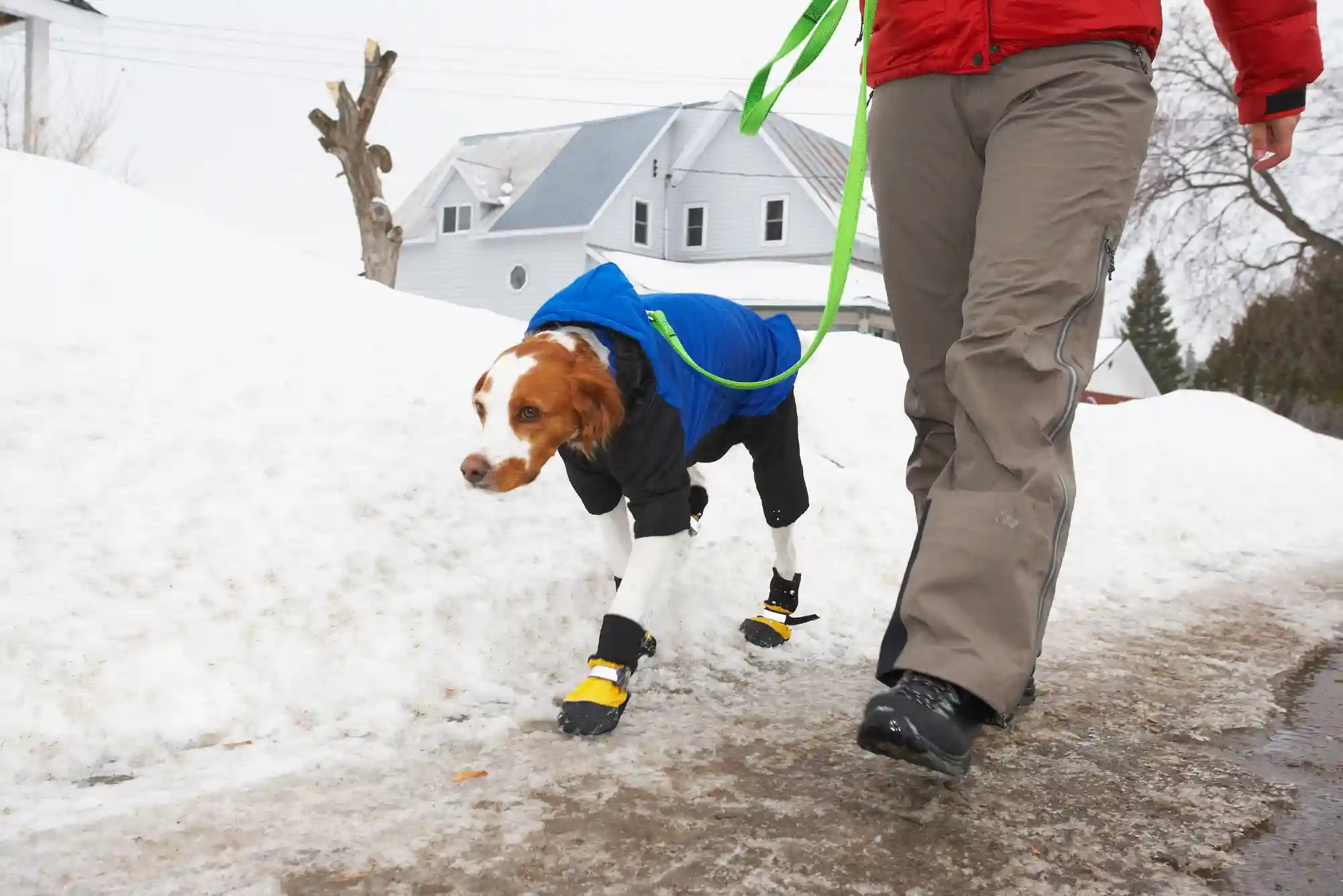
Introduction
Winter can be challenging for dogs, especially during long walks in freezing temperatures, rain, snow, or strong winds. Although some dogs have thick coats that provide natural insulation, others need extra protection outdoors. The right clothing can help keep your dog warm, dry, and comfortable.
The Best Winter Dog Coats and Waterproof Boots for Cold Weather should provide warmth without restricting movement. A good coat protects the body, while waterproof boots help protect paws from cold surfaces, ice, snow, and moisture. However, choosing suitable winter gear requires more than picking the thickest option available.
Your dog’s breed, size, age, coat type, activity level, and local weather all matter. Therefore, winter clothing should be selected according to your dog’s individual needs.
Why Dogs May Need Winter Clothing
Dogs respond differently to cold weather. A Siberian Husky may tolerate low temperatures better than a short-haired Chihuahua. However, even cold-tolerant dogs can become uncomfortable during prolonged exposure.
Small dogs often lose body heat quickly because of their smaller body size. Puppies and senior dogs may also need additional protection. Dogs with thin coats or little body fat can become cold faster than breeds with dense double coats.
Wet weather creates another concern. Rain can soak a dog’s fur and reduce its insulating ability. Strong wind can also make outdoor temperatures feel considerably colder.


Consequently, a suitable winter coat can provide an additional layer between your dog’s body and harsh weather.
What Makes the Best Winter Dog Coat?
The Best Winter Dog Coats and Waterproof Boots for Cold Weather should combine insulation, weather resistance, comfort, and a secure fit.
A quality coat should cover the dog’s chest and back without limiting movement. It should also remain securely attached while your dog walks, runs, or plays.
Water-resistant or waterproof outer material is useful during rain and wet snow. For very cold conditions, an insulated inner layer provides additional warmth.
A coat should also allow easy access to a harness or leash. Adjustable straps can improve the fit, particularly when a dog falls between standard sizes.
Insulation and Warmth
Insulation is one of the most important features of a winter coat. Fleece, synthetic insulation, and quilted materials are commonly used.
However, thicker does not always mean better. An excessively bulky coat can interfere with movement and make an active dog uncomfortable.
Instead, look for balanced insulation appropriate for your dog’s coat type and the weather conditions.
Water and Wind Protection
A winter coat should ideally protect against both moisture and wind. A water-resistant outer shell can work well during light rain.
For frequent exposure to wet conditions, waterproof construction is more useful. Sealed seams and protective coverage can prevent moisture from reaching the dog’s body.
Wind-resistant materials are also helpful because cold air can penetrate poorly designed fabrics.
Proper Fit
A properly fitted coat should sit comfortably around the dog’s chest and shoulders. It should not press against the neck or restrict leg movement.
Measure your dog before buying. Chest circumference, back length, and neck size are usually more useful than breed-based sizing alone.
Your dog should be able to walk, sit, lie down, and turn comfortably while wearing the coat.
Why Waterproof Dog Boots Matter
A warm body is only part of winter protection. Your dog’s paws also encounter cold, wet, and potentially irritating surfaces.
Waterproof boots can help keep paws dry during rain and snow. They can also provide a protective barrier against ice and rough winter surfaces.
In areas where roads are treated with de-icing products, boots can reduce direct contact between the paws and those substances.
The Best Winter Dog Coats and Waterproof Boots for Cold Weather should therefore work together rather than being viewed as separate accessories.
Paw Protection
Cold surfaces can cause discomfort during extended walks. Snow can also collect between the toes of some dogs.
Boots create a physical barrier around the paws. This can be particularly useful for dogs that spend considerable time outdoors.
Nevertheless, boots should fit properly. A loose boot may slip off, while a tight boot can cause discomfort.
Waterproof Construction
Waterproof boots are particularly useful in rain, slush, and wet snow. Look for materials that resist water while remaining flexible.
A boot should also have a secure fastening system. This helps prevent it from coming loose during walks.
Traction
Winter surfaces can become slippery. A boot with a textured outsole may provide additional traction on wet or icy surfaces.
However, no boot completely eliminates the risk of slipping. Walks should still be adjusted according to surface conditions.
Choosing Winter Gear for Different Dogs
There is no single winter outfit suitable for every dog. The ideal combination depends on the individual animal.
Short-haired breeds often benefit from insulated coats during cold weather. Small breeds may also appreciate additional warmth because they can lose body heat quickly.
Long-haired dogs may require less insulation but can still benefit from waterproof outer layers during wet weather.
Older dogs may become uncomfortable in cold conditions more easily. Puppies can also need additional protection because they may not regulate body temperature as effectively.
Active dogs have different requirements. A dog running through snow may need less insulation than a dog standing outside for extended periods.
Therefore, consider both the weather and your dog’s activity level before selecting winter equipment.
How to Introduce Your Dog to a Winter Coat
Some dogs immediately accept clothing, while others dislike the sensation. Introducing a coat gradually can make the experience easier.
Start by allowing your dog to investigate the coat indoors. Reward calm behavior with praise or treats.
Next, place the coat on your dog for a short period. Avoid immediately going for a long walk.
Once your dog appears comfortable, increase wearing time gradually. Pay attention to body language throughout the process.
The same approach works for waterproof boots. Introduce one boot at a time before expecting your dog to walk normally in all four.
It is common for dogs to walk awkwardly at first. With gradual practice, many dogs become more comfortable.
Signs That Your Dog Is Too Cold
Winter clothing provides protection, but owners should still monitor their dogs carefully.
Shivering can indicate that a dog is becoming cold. Other concerning signs can include reluctance to walk, lifting paws repeatedly, weakness, or unusual behavior.
If your dog appears distressed by cold weather, move indoors and warm them gradually. Severe cold exposure can become a medical emergency.
Likewise, clothing should be removed if your dog becomes overheated, uncomfortable, or unusually restless.
A winter coat should support comfort rather than replace sensible weather precautions.
How to Care for Winter Dog Coats and Boots
Proper maintenance helps winter gear remain effective. Check coats regularly for damaged straps, loose stitching, or worn fabric.
Follow the manufacturer’s washing instructions. Some insulated materials can lose performance when washed incorrectly.
Boots should also be cleaned after muddy or salty walks. Allow them to dry completely before storing them.
Inspect your dog’s paws after wearing boots. Look for redness, rubbing, swelling, or other signs of irritation.
If a particular boot repeatedly causes discomfort, reconsider the size or design.
Common Mistakes When Buying Winter Dog Gear
One common mistake is choosing clothing based only on appearance. Attractive designs are useful only when the gear fits and performs properly.
Another mistake is selecting the wrong size. A coat that is too tight can restrict movement, while an oversized coat may shift during walks.
Some owners also assume every dog needs heavy insulation. That is not always true. A thick coat can make an active dog uncomfortable.
Buying boots without measuring the paws is another frequent problem. Paw dimensions vary considerably between dogs.
Finally, avoid assuming that winter clothing makes every weather condition safe. Extremely cold temperatures, icy surfaces, and severe storms may require shorter outdoor periods.
How to Find the Right Combination
When choosing the Best Winter Dog Coats and Waterproof Boots for Cold Weather, start with your dog’s specific needs.
Consider the lowest temperatures your dog normally encounters. Then consider whether the main problem is cold, rain, snow, wind, or a combination of these conditions.
For dry and moderately cold weather, an insulated coat may be enough. For wet conditions, prioritize water resistance or waterproof protection.
If your dog frequently walks through snow, waterproof boots can provide useful paw protection. For icy areas, traction becomes another important consideration.
The best winter setup is therefore the one that matches your dog’s environment and lifestyle.
Frequently Asked Questions
What temperature is too cold for dogs?
There is no single temperature that is unsafe for every dog. Breed, size, age, coat type, health, wind, and moisture all affect cold tolerance. Small and short-haired dogs generally require more protection.
Do dogs really need winter coats?
Some dogs benefit from winter coats, particularly small, short-haired, young, older, or cold-sensitive dogs. Dogs with thick coats may need less additional insulation.
Should dogs wear boots in the winter?
Boots can help protect paws from snow, ice, moisture, and irritating substances used on roads. However, they should fit correctly and be introduced gradually.
How do I know if my dog’s boots fit?
A properly fitted boot should stay secure without squeezing the paw. Your dog should be able to walk naturally without rubbing or obvious discomfort.
Can dogs wear coats all day?
A coat is generally intended for appropriate outdoor conditions rather than continuous indoor use. Remove it when your dog is warm indoors or when the coat becomes uncomfortable.
How do I keep my dog’s paws safe in winter?
Keep paws clean and dry after walks. Check between the toes for snow, ice, or irritation. Properly fitted waterproof boots can provide additional protection when needed.
Conclusion
Finding the Best Winter Dog Coats and Waterproof Boots for Cold Weather starts with understanding your dog’s individual needs. The right coat should provide suitable warmth, weather protection, and freedom of movement.