
Introduction
Dog ear infections can cause itching, redness, unpleasant odors, and considerable discomfort. Recognizing the signs of dog ear infections early can help you seek appropriate treatment before the problem becomes more painful or difficult to manage. However, not every irritated ear has the same cause. Some infections involve yeast, others involve bacteria, and many contain a combination of both.
Understanding the differences between yeast and bacterial ear infections helps you recognize warning signs and explain your dog’s symptoms to a veterinarian. It is equally important to know when home cleaning is appropriate and when it could make the condition worse.
This guide explains the common symptoms of dog ear infections, the differences between yeast and bacterial overgrowth, safe ear-cleaning techniques, and practical ways to reduce the risk of recurring problems.
What Are Dog Ear Infections?
A dog ear infection, medically known as otitis, develops when inflammation and microbial overgrowth affect part of the ear. Most common infections involve the external ear canal, although the middle and inner ear can also become affected.
Dogs have L-shaped ear canals that can trap moisture, wax, and debris. When the natural environment inside the ear becomes unbalanced, yeast or bacteria can multiply and trigger inflammation.
Common contributing factors include allergies, frequent swimming, excess moisture, ear mites, foreign objects, and underlying skin conditions. Dogs with floppy ears or narrow ear canals may also experience recurring problems.


Importantly, an ear infection is not always the original problem. Allergies or another condition may cause inflammation first, allowing yeast or bacteria to overgrow afterward. Treating the infection without addressing the underlying cause can lead to repeated episodes.
Common Signs of Dog Ear Infections
The signs of dog ear infections can range from mild irritation to severe pain. Some dogs develop several symptoms together, while others show only subtle behavioral changes.
Frequent Head Shaking
Repeated head shaking is one of the most recognizable signs of an ear problem. Your dog may shake its head after resting, scratch one ear repeatedly, or rub its face against furniture and carpets.
Occasional head shaking is normal, especially after a bath. However, persistent shaking suggests irritation, trapped debris, an infection, or a possible foreign object.
Excessive shaking can also damage small blood vessels in the ear flap, causing a painful swelling called an aural hematoma.
Redness and Swelling
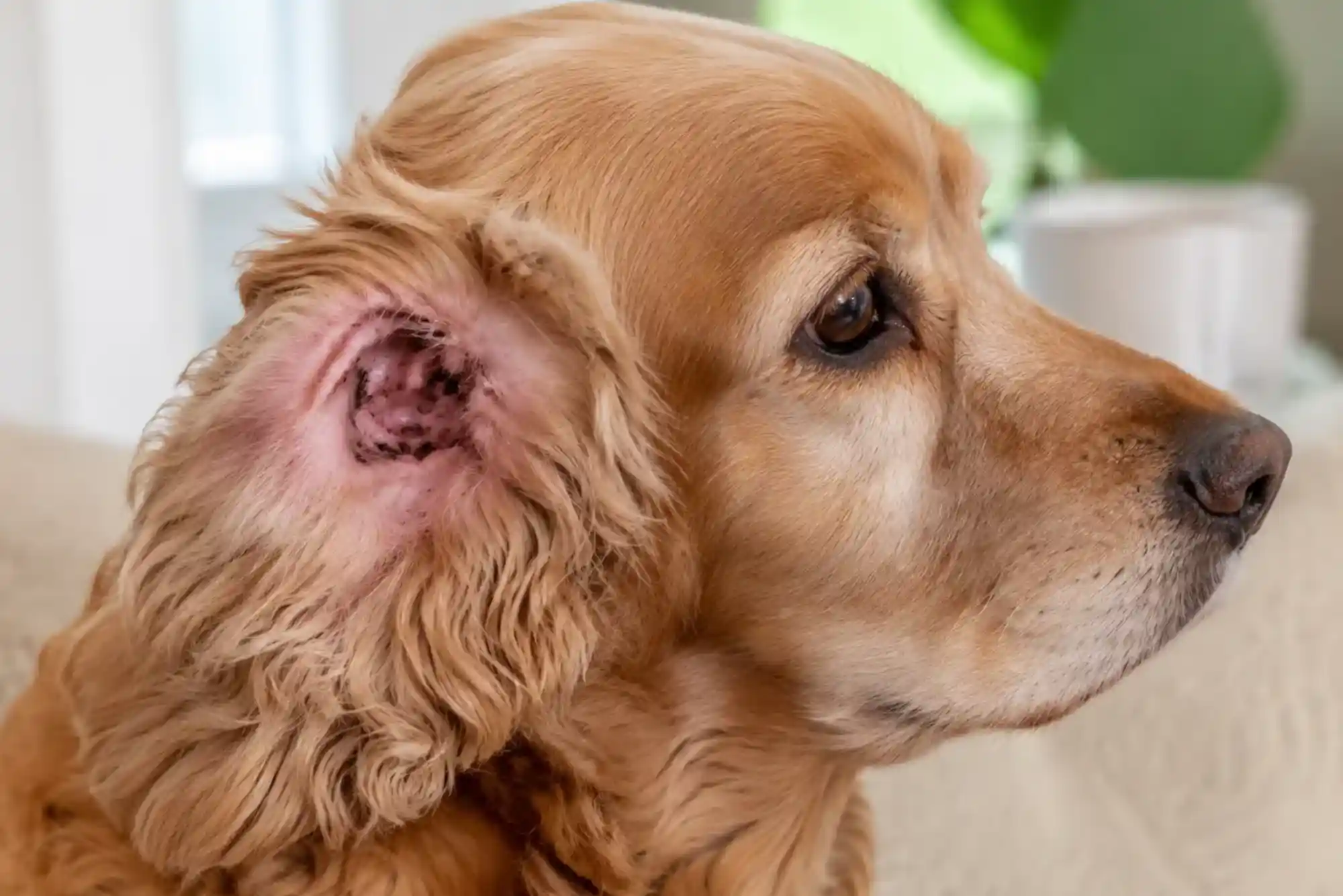
Healthy ears generally have a relatively clean appearance without pronounced redness or swelling. An infected ear may look inflamed, feel warmer than usual, or become sensitive when touched.
You might notice redness around the ear opening, swelling inside the canal, or thickened skin after repeated infections.
Avoid pressing or manipulating a swollen ear. If your dog reacts painfully when you approach its head, arrange a veterinary examination instead of attempting deep cleaning.
Unusual Ear Odor
An unpleasant smell can be an important warning sign. Yeast overgrowth often produces a musty or slightly sweet odor, while bacterial infections may cause a stronger, foul smell.
However, odor alone cannot establish the cause. Mixed infections are common, and some serious ear problems produce little noticeable smell.
Persistent odor accompanied by redness, scratching, or discharge deserves veterinary attention.
Ear Discharge and Excessive Wax
Changes in earwax can also indicate trouble. You may notice dark brown material, yellowish discharge, excessive wax, or moist debris around the ear opening.
The color and texture can offer clues, but they cannot reliably distinguish yeast from bacteria. Ear mites and other conditions can also produce dark debris.
Do not assume that removing visible discharge will cure the problem. Infection may remain deeper in the canal, where ordinary home cleaning cannot reach safely.
Pain and Behavioral Changes
A dog with an ear infection may become unusually irritable, withdraw from interaction, resist having its collar put on, or avoid having its head touched.
Some dogs whine, flinch, or pull away when their ears are handled. Others become restless because the irritation interferes with sleep.
These changes should not be dismissed as grooming resistance. Painful ears require veterinary assessment, particularly when symptoms are worsening.
Yeast vs. Bacterial Ear Infections in Dogs
Although yeast and bacterial infections can cause similar symptoms, they involve different microorganisms and may require different treatments. Recognizing possible patterns is helpful, but a veterinarian must confirm the diagnosis.
Signs of a Yeast Ear Infection
Yeast, particularly Malassezia, can normally live on a dog’s skin without causing problems. When conditions favor excessive growth, it can contribute to inflammation in the ear canal.
A yeast ear infection may produce a strong, musty odor and dark brown or greasy discharge. Dogs often scratch their ears frequently, shake their heads, and develop redness around the canal.
Some dogs also experience itchy paws, irritated skin folds, or recurring skin problems. These additional symptoms can suggest an underlying allergy or skin condition.
Yeast infections often recur when the underlying trigger remains untreated. Simply cleaning away the visible buildup may provide temporary relief without resolving the problem.
Signs of a Bacterial Ear Infection
Bacterial ear infections can cause significant inflammation and discomfort. Depending on the bacteria involved, discharge may appear yellow, cream-colored, greenish, or mixed with blood.
The ear may become swollen, painful, and noticeably unpleasant in odor. Some dogs resist opening their mouths comfortably or react strongly when the area around the ear is touched.
Severe bacterial infections can damage the ear canal and may extend into deeper parts of the ear. Prompt veterinary care is particularly important when pain, swelling, or discharge is pronounced.
Do not try to treat a suspected bacterial infection with household remedies or leftover medication. The appropriate treatment depends on the organism involved and the condition of the ear canal and eardrum.
Can a Dog Have Both Yeast and Bacteria?
Yes. A dog can have a mixed infection involving yeast and bacteria at the same time. This is one reason visual inspection alone is unreliable.
A veterinarian may collect a sample of ear discharge and examine it under a microscope. This test, called ear cytology, helps identify the microorganisms present and guides treatment.
The veterinarian may also use an otoscope to inspect the ear canal and assess the eardrum when possible. If the infection keeps returning or does not respond to treatment, additional testing may be necessary.
How to Tell the Difference Between Yeast and Bacteria
A musty odor and dark, greasy debris may suggest yeast, while pronounced pain and yellowish or pus-like discharge can raise concern about bacterial infection. Nevertheless, these patterns overlap considerably.
Neither discharge color nor smell is sufficient to select a medication safely. A proper examination and, when indicated, laboratory testing provide a more reliable answer.
How to Clean Your Dog’s Ears at Home Safely
Home cleaning can help remove wax and debris from healthy ears and support a veterinarian’s treatment plan. However, cleaning is not a substitute for treating an established infection.
If your dog has pain, significant redness, swelling, bloody discharge, or a suspected damaged eardrum, contact your veterinarian before putting anything into the ear.
Choose a Veterinary-Approved Ear Cleaner
Use an ear-cleaning solution specifically formulated for dogs. Your veterinarian can recommend a product suitable for your dog’s ear condition and explain how frequently it should be used.
Avoid hydrogen peroxide, rubbing alcohol, vinegar mixtures, essential oils, and other homemade solutions. These substances can irritate inflamed tissue and may be unsafe when the eardrum is damaged.
Human ear products should not be used unless a veterinarian specifically recommends them.
Prepare Your Dog for Cleaning
Choose a quiet place where your dog feels comfortable. Keep a soft cloth or cotton pads nearby, and offer small treats to make the experience more positive.
Gently lift the ear flap and inspect the visible area without forcing the ear open. If your dog growls, cries, pulls away repeatedly, or appears uncomfortable, stop rather than restraining it for cleaning.
A painful dog may bite unexpectedly, even if it is normally friendly.
Apply the Cleaner Gently
If your veterinarian has confirmed that cleaning is appropriate, follow the product instructions. Apply the recommended amount without pushing the bottle tip deep into the ear canal.
Gently massage the base of the ear if your dog tolerates it. This helps loosen wax and debris so that the dog can shake its head and bring material toward the opening.
Allow your dog to shake its head naturally. Wipe away loosened debris from the visible ear flap and opening using a clean cotton pad or soft gauze.
Never insert cotton swabs, fingers, or other objects deeply into the ear canal. They can push debris farther inside or injure sensitive tissue.
Know When to Stop Cleaning
Cleaning should not cause significant pain. If your dog cries, struggles unusually, or develops increased redness during the process, stop and contact your veterinarian.
Severely inflamed ears may need medical treatment before cleaning becomes comfortable. Your veterinarian may also recommend a specific sequence for cleaning and applying prescribed medication.
Follow the recommended schedule rather than cleaning repeatedly throughout the day. Overcleaning can irritate the ear canal and make the problem worse.
Can You Treat a Dog Ear Infection at Home?
Home care can support recovery, but it cannot reliably eliminate a yeast or bacterial infection without appropriate treatment.
A veterinarian may prescribe ear drops containing an antifungal, antibiotic, anti-inflammatory medicine, or a combination, depending on the diagnosis. Some cases require oral medication or additional procedures.
Use prescribed treatments for the full recommended duration, even if your dog appears more comfortable after a few days. Stopping early can allow the infection to persist or return.
Never reuse leftover ear drops without veterinary advice. A medication that worked for a previous episode may be unsuitable for the current infection, particularly if the cause has changed or the eardrum is damaged.
If symptoms persist, worsen, or return after treatment, arrange a follow-up examination. Recurrent infections often require investigation into allergies, moisture exposure, ear anatomy, or another underlying condition.
When Should You See a Veterinarian?
Arrange a veterinary appointment if your dog has persistent head shaking, repeated scratching, unusual odor, redness, swelling, or abnormal discharge. Early assessment can help prevent prolonged discomfort and complications.
Seek urgent veterinary care if your dog develops a head tilt, loss of balance, difficulty walking, unusual eye movements, facial weakness, or severe pain. These signs can indicate deeper ear involvement or another serious condition.
Sudden symptoms affecting only one ear, especially after walking through grass or brush, may indicate a foreign object. Do not probe the canal or attempt to remove something you cannot safely see.
Until your dog is examined, avoid introducing cleaning solutions or medications into a painful ear unless your veterinarian advises otherwise.
How to Prevent Recurring Dog Ear Infections
Prevention starts with understanding why your dog is prone to ear problems. Dogs with allergies, floppy ears, narrow canals, or frequent water exposure may need a tailored maintenance routine.
Check your dog’s ears regularly for changes in odor, redness, discharge, or sensitivity. Early recognition helps you seek care before the inflammation becomes severe.
After swimming or bathing, gently dry the visible outer ear with a soft towel. Avoid inserting anything into the canal, and ask your veterinarian whether a drying ear cleaner is appropriate for your dog.
Keep a record of recurring episodes, including the affected ear, recent swimming, seasonal changes, and any accompanying skin or paw itching. This information can help your veterinarian identify possible triggers.
Most importantly, follow an individualized cleaning schedule. Some dogs need regular maintenance, while healthy ears may need cleaning only when dirt or debris is present. More cleaning does not automatically mean healthier ears.
Recognize the Signs and Protect Your Dog’s Ears
Recognizing the signs of dog ear infections early can make a meaningful difference to your dog’s comfort and recovery. Head shaking, persistent scratching, redness, unusual odor, and discharge all deserve attention, particularly when several symptoms appear together.
Yeast and bacterial infections may look similar, so avoid relying on smell or discharge color to choose treatment. Veterinary examination and ear cytology can help identify the cause and determine the right approach.
Home cleaning is useful when performed gently with an appropriate dog ear cleaner, but painful or infected ears may need medical attention first.
Take action today: Check your dog’s ears for unusual changes, avoid unapproved home remedies, and contact your veterinarian if you notice signs of infection. A timely examination and a personalized prevention plan can help keep your dog’s ears comfortable and reduce future flare-ups.
FAQs
What are the first signs of an ear infection in a dog?
Early signs often include frequent head shaking, scratching, redness, an unusual smell, or increased earwax. Some dogs also become sensitive when their ears are touched. If these changes persist, arrange a veterinary examination.
How can I tell if my dog’s ear infection is yeast or bacterial?
Yeast infections may produce a musty odor and dark, greasy discharge, while bacterial infections can cause yellowish discharge, stronger odor, and pronounced pain. However, symptoms overlap, and both organisms can be present together. Ear cytology performed by a veterinarian is the more reliable way to distinguish them.
Can I clean my dog’s infected ears at home?
Only if your veterinarian confirms that cleaning is appropriate for the condition. Use a dog-specific cleaner recommended by your veterinarian, and wipe only the visible area. Do not clean a severely painful or swollen ear without professional guidance.
What is the best home remedy for a dog ear infection?
There is no universally safe home remedy that cures dog ear infections. Vinegar, alcohol, hydrogen peroxide, and essential oils can irritate sensitive tissue. Appropriate veterinary treatment depends on whether the problem involves yeast, bacteria, parasites, allergies, or another cause.
Can a dog ear infection go away on its own?
Mild irritation may resolve when a temporary trigger disappears, but an established infection may persist or worsen without treatment. Persistent odor, redness, discharge, or head shaking should be assessed by a veterinarian rather than left untreated.
How often should I clean my dog’s ears?
The ideal frequency depends on your dog’s ear health, breed, activities, and history of infections. Some dogs benefit from regular cleaning, while others need it only when debris is present. Follow your veterinarian’s recommendations to avoid irritation from overcleaning.
Why does my dog’s ear smell bad but look clean?
An unpleasant odor can come from inflammation or microbial overgrowth deeper inside the ear canal, even when the visible opening looks relatively clean. A veterinary examination can identify the cause and determine whether treatment is necessary.
When is a dog ear infection an emergency?
A head tilt, loss of balance, difficulty walking, facial weakness, unusual eye movements, or severe pain warrants urgent veterinary assessment. These symptoms may indicate deeper ear involvement and should not be managed with home cleaning alone.