
Introduction
Dog dental health is often overlooked by many pet parents until bad breath turns into a serious medical emergency. Just like humans, dogs build up plaque and tartar on their teeth every single day. If left unchecked, this buildup leads to painful periodontal disease, tooth loss, and even major organ damage. Fortunately, you can take control of your pet’s wellness right now. Knowing how to clean dog teeth at home: preventing periodontal disease protects your furry friend from suffering. Regular at-home routines save you thousands of dollars in expensive vet bills down the road. Furthermore, healthy teeth mean a happier, more energetic companion who loves to flash a bright smile. Let us dive deep into the ultimate guide to canine oral hygiene.
Understanding Canine Periodontal Disease
Periodontal disease is a progressive bacterial infection affecting the tissues surrounding a dog’s teeth. It begins when leftover food particles mix with saliva to form soft plaque on the teeth. Within days, minerals in the saliva harden this plaque into stubborn tartar. Tartar pushes under the gums, creating pockets where bacteria multiply rapidly. This stage causes chronic inflammation known as gingivitis, characterized by red, bleeding gums. If you ignore these early signs, the infection destroys the bone and ligaments holding the teeth in place. Bacteria can also enter the bloodstream and damage the heart, kidneys, and liver. Therefore, learning how to clean dog teeth at home: preventing periodontal disease is a vital life-saving skill. You must stay vigilant and inspect your dog’s mouth at least once a week.
Recognizing the Warning Signs of Dental Problems
Dogs are notorious for hiding pain until a dental issue becomes severe and unbearable. You must watch out for subtle behavioral changes and physical symptoms in your home. Chronic bad breath is usually the very first indicator of underlying oral decay. You might notice yellow or brown crusts building up along your dog’s gum line. Excessive drooling or dropping food while eating points toward painful teeth or inflamed gums. Some dogs may paw at their mouth or suddenly lose interest in their favorite chew toys. If your dog exhibits bleeding gums or refuses hard kibble, schedule a vet visit immediately. Catching these red flags early allows your home cleaning routine to be much more effective. Never assume bad breath is just normal dog behavior because it signals danger.
Essential Tools for At-Home Dog Dental Care
Gathering the right supplies makes the entire cleaning process smooth, safe, and stress-free. First and foremost, you need a toothbrush designed specifically for dogs with soft bristles. Alternatively, you can use a silicone finger brush for better control with small puppies. Never use human toothpaste because it contains fluoride and xylitol, which are toxic to dogs. Always buy pet-safe enzymatic toothpaste flavored with poultry, beef, or peanut butter. You can also explore products approved by the Veterinary Oral Health Council for extra protection. Having clean gauze pads on hand helps wipe away loosened debris from the teeth surfaces. Setting up a dedicated dental kit ensures you are always ready for your weekly sessions. Proper tools turn a daunting chore into a comfortable bonding experience for both of you.
Step-by-Step Guide to Brushing Your Dog Teeth
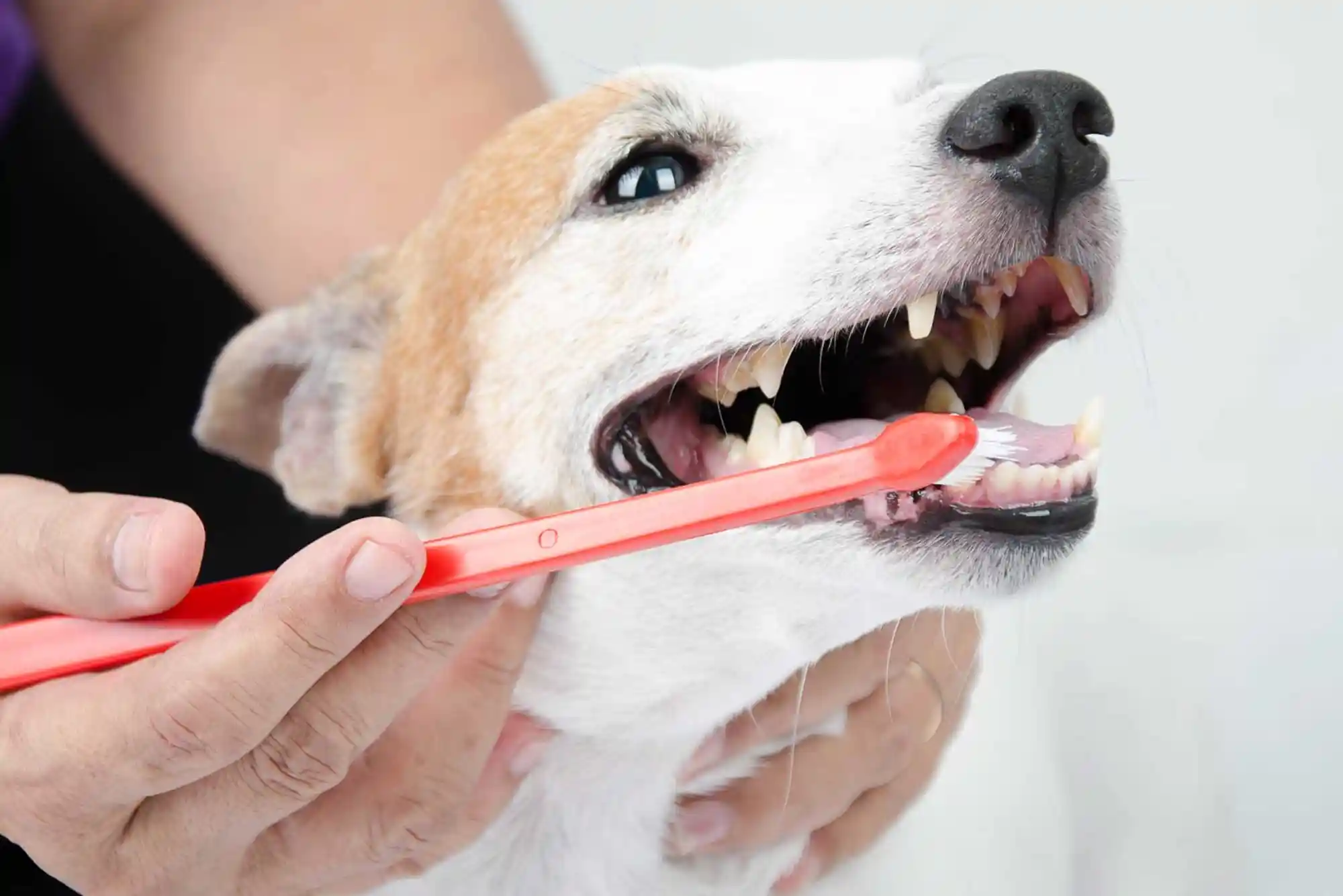
Training your dog to accept toothbrushing requires patience, positive reinforcement, and a slow, steady approach. Start by letting your dog lick a small amount of pet toothpaste off your finger. Next, gently lift their lips and rub your finger along their gums and outer teeth. Once your dog feels comfortable with this touch, introduce the pet toothbrush with paste. Focus primarily on the outer surfaces of the upper teeth where plaque accumulates the most. You do not need to pry open their mouth or brush the inside surfaces aggressively. Keep your sessions very short during the first week, rewarding your dog with high-value treats. Gradually increase the brushing time until you can complete a full upper and lower session. Consistency is the ultimate key to mastering how to clean dog teeth at home: preventing periodontal disease.
Alternative Ways to Support Canine Oral Health
Some dogs fiercely resist traditional toothbrushes despite weeks of careful and patient training efforts. Fortunately, alternative dental care solutions can still help keep your dog’s mouth relatively clean. Specialized dental chews and crunchy kibbles help scrape away soft plaque through mechanical chewing action. Water additives containing safe enzymes can be poured into your dog’s daily bowl easily. Chew toys made of sturdy rubber stimulate saliva production, which naturally washes away harmful bacteria. However, remember that these alternative methods should complement brushing rather than replace it entirely. You should check out Dog Dental Care guides for more creative hygiene ideas. Combining multiple strategies creates a robust defense shield against stubborn tartar buildup over time.


Dietary Habits and Dental Health Connection
What your dog eats plays a massive role in their overall dental hygiene and longevity. Soft, wet canned foods tend to stick to teeth much faster than dry kibble. If you feed a strict wet diet, you must commit to a more rigorous brushing schedule. Certain prescription veterinary diets feature larger kibble sizes designed to clean teeth mechanically. These specialized kibbles do not crumble instantly, allowing the tooth to penetrate deeply. Consult your veterinarian to find a balanced diet that supports both digestion and teeth. Good nutrition strengthens your dog’s immune system, helping gums fight off bacterial infections naturally. Monitoring daily treats and avoiding sugary human snacks protects your dog from rapid decay. Healthy eating habits lay the strong foundation every dog needs for a dazzling smile.
When to Schedule Professional Veterinary Cleanings
Even with the best home routines, most dogs eventually require professional veterinary dental cleanings. Vets use specialized ultrasonic scaling tools to remove hardened tartar beneath the gum line safely. Because dogs will not sit still for deep cleanings, this procedure requires general anesthesia. While anesthesia carries minor risks, modern veterinary monitoring makes these routine procedures extremely safe today. Your vet will also take full-mouth dental X-rays to check for hidden root abscesses. Learning how to clean dog teeth at home: preventing periodontal disease reduces how often professional cleanings are needed. Visiting your vet once a year for an oral checkup ensures nothing slips past your radar. Partnering with a professional guarantees your dog enjoys a lifetime of pain-free chewing.
Conclusion
Taking charge of your pet’s dental health is one of the most rewarding responsibilities you have. By understanding how to clean dog teeth at home: preventing periodontal disease, you guarantee a better quality of life. From choosing the right enzymatic toothpaste to mastering daily brushing, every small effort truly matters. Remember that consistency, patience, and positive reinforcement will turn a stressful chore into a bonding ritual. For more expert pet care tips and comprehensive lifestyle guides, visit Infobeast today. You can also explore resources from Veterinary Oral Health to find approved dental products. Start your dog’s new oral hygiene journey tonight and watch them smile brighter tomorrow.
Frequently Asked Questions
Can I use human toothpaste to brush my dog teeth?
No, you should never use human toothpaste because it contains foaming agents and toxic ingredients. Swallowing fluoride or artificial sweeteners like xylitol can cause severe illness or organ failure in dogs. Always use flavored, pet-safe enzymatic toothpaste designed specifically for canine dental hygiene.
How often should I clean my dog teeth at home?
Ideally, you should brush your dog’s teeth every single day to prevent plaque accumulation. If daily brushing is not possible, aim for at least three to four times a week. Consistency matters much more than perfection when maintaining a healthy canine mouth.
What are the early signs of periodontal disease in dogs?
Early warning signs include persistent bad breath, yellow tartar buildup, and mild gum redness. You might also notice your dog dropping food or showing reluctance to chew hard items. Addressing these symptoms early prevents the disease from progressing into advanced bone loss.
Do dental chews really work for cleaning dog teeth?
Dental chews help reduce plaque and tartar by encouraging mechanical chewing action and saliva flow. However, they cannot completely replace manual toothbrushing for maintaining optimal oral health. Think of chews as a helpful supplement rather than a total replacement for brushing.
Why do vets need anesthesia for dog teeth cleaning?
Vets use anesthesia so they can clean beneath the gum line safely and thoroughly without causing pain. Anesthesia also keeps the dog calm while the veterinary team takes essential dental X-rays. This ensures a stress-free experience and allows for a comprehensive oral examination.
Related Reading: دكتور أسنان – التشخيص، العلاج، ونصائح للحفاظ على صحة الفم
Related Reading: Who Is a Motorcycle Tourist and Why Is It Life-Changing? — full guide