
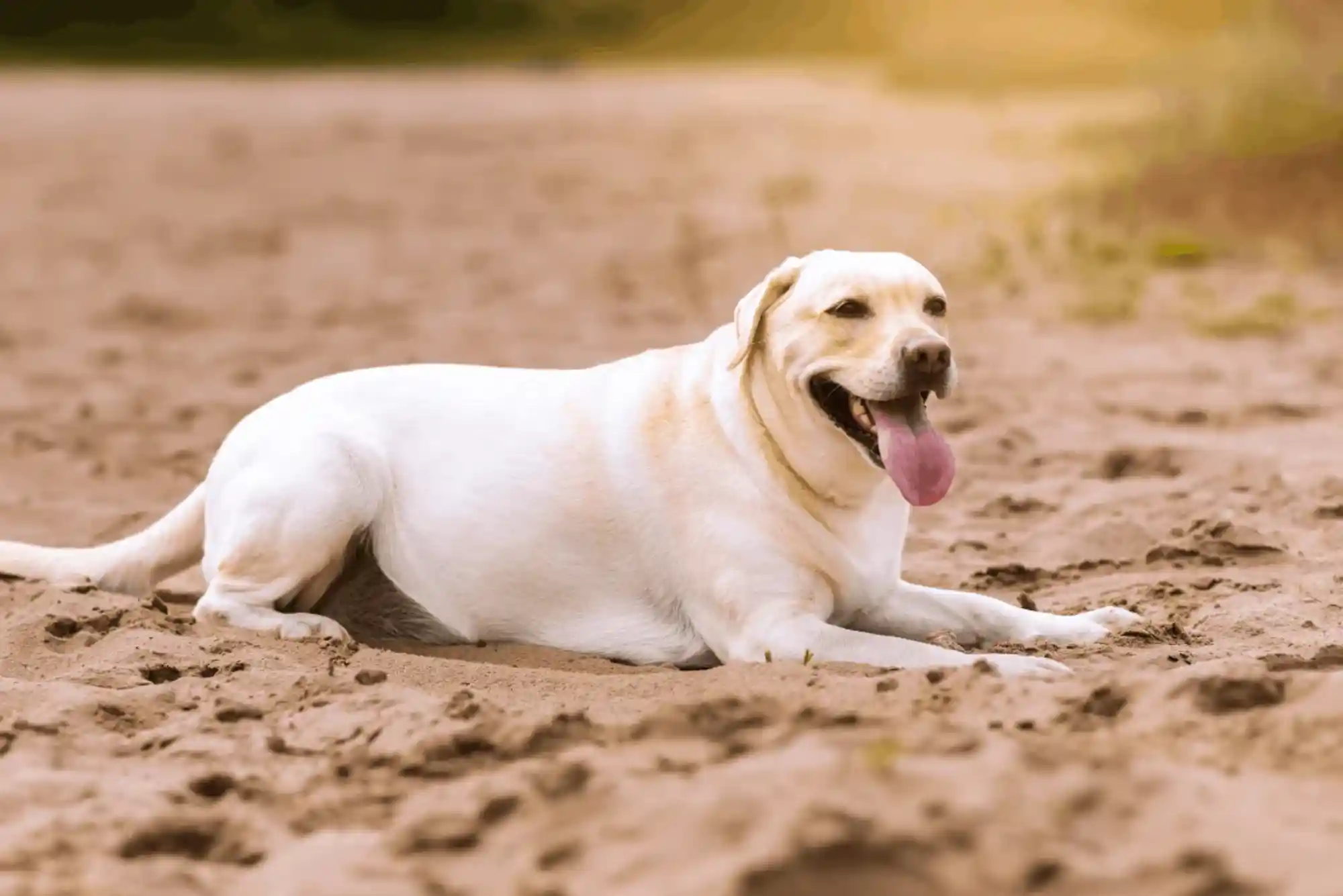
Labrador Puppy Exercise: Protecting Growing Joints
Bringing home a bouncing Lab puppy is pure joy, but their endless energy requires careful management. New owners often make the mistake of over-exercising their young dogs with long walks or endless games of fetch. However, understanding Labrador Care Guide principles early on protects your puppy from lifelong joint issues. Their bones and joints are growing rapidly, and the soft cartilage at the ends of their bones remains vulnerable.
To keep your puppy safe, use the golden rule of five minutes of structured exercise per month of age, up to twice daily. A four-month-old puppy needs only twenty minutes per session. Focus instead on socialization, short training bursts, and exploring soft grass. Avoid high-impact activities, forced running, and jumping in and out of vehicles. Consult resources like Canine Growth Plate Safety to better understand how fragile these developing structures really are.
Adolescent Labs: Managing Boundless Energy
Adolescence hits hard around six to eighteen months of age, turning your sweet puppy into an enthusiastic teenager. During this phase, their stamina increases, but their growth plates may still be fusing. You can gradually increase their daily activity to forty-five or sixty minutes, split into manageable chunks. Introduce structured obedience work and controlled swimming, which builds muscle without pounding their joints.
Mental stimulation becomes just as important as physical exhaustion during adolescence. Bored teenagers easily resort to destructive chewing or digging. Incorporate nosework games, puzzle toys, and basic agility groundwork to tire out their clever brains. Consistency and positive reinforcement during these months lay the groundwork for a well-behaved adult companion.
Adult Labrador Exercise: Reaching Peak Athleticism
Between two and seven years old, your Labrador enters their prime physical years. Bred originally as working water dogs, they possess high endurance and a strong drive to retrieve. A healthy adult Lab requires a solid one to two hours of daily exercise to stay happy and fit. Skipping these requirements often leads to weight gain and unwanted indoor mischief.
Divide their daily routine into morning and evening sessions to make it manageable. Combine brisk neighborhood walks, long sessions of fetch, and weekend hiking adventures. Swimming remains an exceptional full-body workout for adult Labs. For deeper insights into keeping your active dog healthy, visit Infobeast for expert-backed advice on canine wellness and nutrition.


Senior Labrador Care: Adapting to Aging Joints
Once your Labrador reaches around seven or eight years old, their exercise needs begin to shift. While they still love activity, stiffness and arthritis can creep in quietly. Senior dogs typically thrive on thirty to sixty minutes of lower-impact exercise spread throughout the day. Replace long, grueling runs with shorter, slower sniffing walks that provide mental engagement without physical strain.
Pay close attention to how your senior dog moves after resting. Slippery floors, cold weather, and steep stairs can exacerbate joint pain, so consider using non-slip rugs and ramps. Swimming remains fantastic for older dogs because water supports their body weight while keeping their heart rate up. Adjusting their routine gracefully ensures their golden years remain comfortable and active.
Frequently Asked Questions
How much exercise does an adult Labrador need daily?
A healthy adult Labrador needs between 60 to 120 minutes of daily physical and mental exercise, split across multiple sessions.
When can I start jogging with my Labrador puppy?
You should wait until your Labrador is at least 18 to 24 months old and has received veterinary clearance confirming their growth plates are fully closed before starting high-impact jogging.
Why is swimming good for Labradors?
Swimming offers a zero-impact cardiovascular workout that strengthens muscles, burns calories, and protects developing or aging joints from heavy stress.
What are the signs of over-exercising a dog?
Excessive panting, lagging behind on walks, stiffness the following day, raw paw pads, or sudden reluctance to move are clear indicators of overexertion.
Related Reading: French Bulldog Care 101: Breathing, Diet, Heat Safety, and Lifespan